Dr. Thaj Clinic · Chennai
Melasma & Pigmentation Treatment in Chennai
Melasma and uneven pigmentation are among the most common skin concerns for men and women living in Tamil Nadu's sun-intense climate. At Dr. Thaj Laser Skin & Hair Clinic in T. Nagar, Chennai, our board-certified dermatologists deliver evidence-based pigmentation treatment — combining Q-switch laser toning, medical-grade chemical peels, and structured topical protocols for visible, lasting skin clarity.
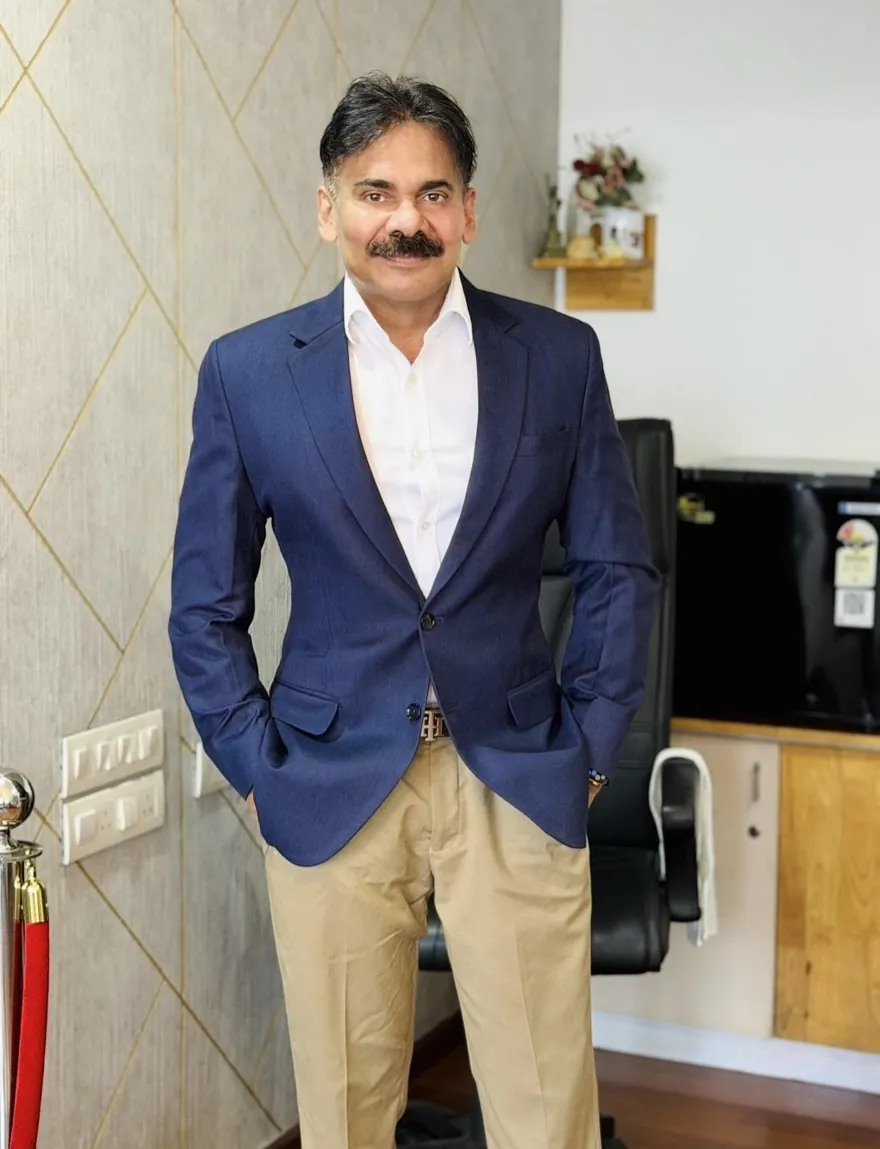 Medically reviewed by Dr. C.P. Thajudheen, MBBS, MD (Dermatology) — Founder & Chief Dermatologist, 28 years
What Is Melasma and Why Is It So Common in South India?
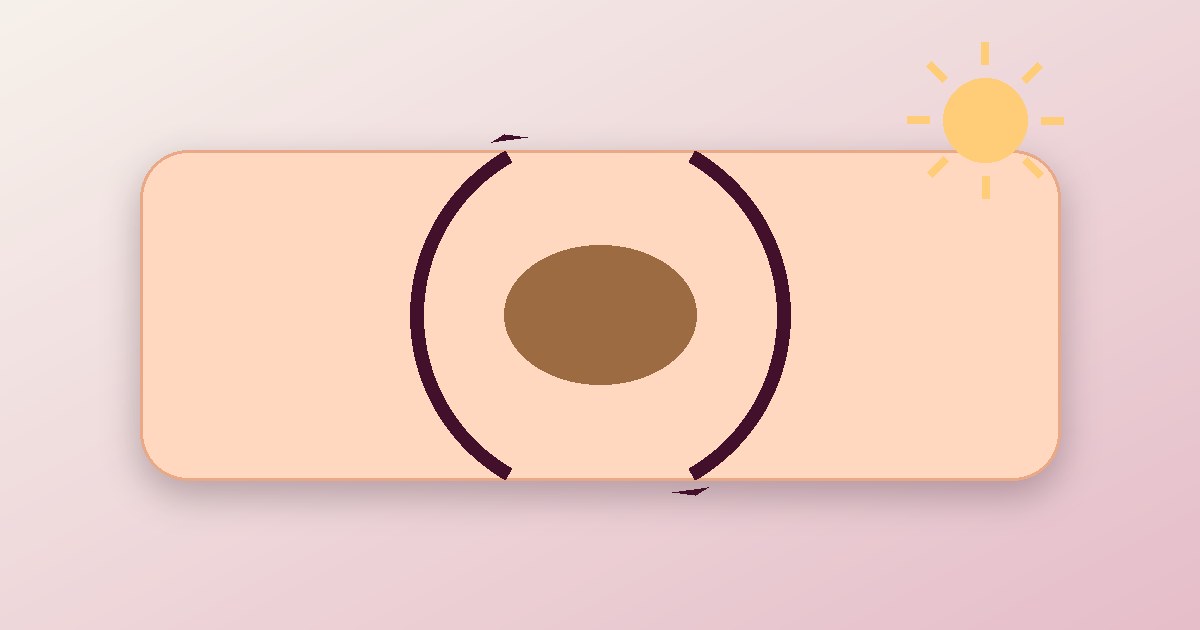
Melasma shows up as brown or grey-brown patches, usually symmetrical, across the forehead, cheekbones, upper lip, and bridge of the nose. Underneath, melanocytes in those specific areas have been pushed into overproduction — by ultraviolet light, by heat, by hormones, and by a genetic susceptibility you cannot opt out of. Chennai supplies three of those four generously: the UV index stays high across most of the year rather than peaking for a season, ambient heat is its own independent trigger, and neither takes a break for the monsoon. Women carry most of the burden, particularly through pregnancy, on oral contraceptives, and around menopause, though we see it in men often enough that nobody should assume otherwise. Most patients who reach us have already spent a year or two on parlour treatments and pharmacy creams that lightened the patches briefly and then let them return.
What makes melasma stubborn is that it is not all sitting at one level. Epidermal melasma lies in the upper layers, where topicals and superficial peels can reach it. Dermal melasma has settled deeper, below the range of any cream — which is why patients who have faithfully applied a prescription for six months sometimes see almost nothing. Mixed melasma, the most common presentation we see, has both, and needs both approached in the right order. So the first appointment is diagnostic rather than therapeutic: a Wood’s lamp examination and clinical assessment establish which type you have before anything is prescribed. Skipping that step is how melasma gets treated with the wrong tool and comes back darker.
Where laser is indicated — and it is not indicated for everyone — the mainstay is low-fluence Q-switch Nd:YAG toning. Ultra-short pulses break up melanin without heating the surrounding tissue, and that distinction carries real weight on Fitzpatrick IV–VI skin, where non-selective heat can drive pigmentation up rather than down. For pigment that has not responded to nanosecond toning we move to our picosecond (Pico) laser, which shatters pigment by pressure rather than heat and therefore puts less thermal load on skin already inclined to rebound. A course usually runs 6–10 sessions at 2–3 week intervals, with most patients noticing the tone evening out within the first few. Between visits the work continues topically — tranexamic acid, kojic acid, niacinamide, and physician-grade retinoids in structured cycles rather than indefinitely — and medical-grade peels such as mandelic, lactic, or modified Jessner’s are layered in for skin that tolerates them.
The part that decides whether any of this holds is maintenance, and it is the part parlour treatments ignore entirely. Because light and heat are the primary drivers, daily broad-spectrum SPF 50+ is not an accessory to melasma treatment — it is the treatment’s life support. In Chennai that has to be practical: a formula that survives humidity and a commute, reapplied through the day rather than once at 8am, and ideally iron-oxide tinted, since visible light drives melasma too and ordinary sunscreen does nothing about it. We go through the hormonal contributors as well, because a patient on a contraceptive that is feeding the condition deserves to know that. Melasma can and does recur when triggers return — but on a maintained protocol recurrence tends to be mild and quickly settled, rather than a return to square one.
Melasma in Chennai’s Heat, Humidity, and Year-Round UV
Chennai gives melasma close to everything it wants. UV is high for most of the calendar rather than for a season, heat drives the condition independently of light, and the daily two-wheeler commute along Anna Salai, OMR, or the ECR delivers both straight onto the cheekbones and upper lip — precisely where melasma sits. Humidity then makes the standard advice fail in practice: heavy creams slide off by mid-morning, so people stop reapplying, and the protection layer quietly collapses. Our plans start from that exposure map rather than from a product list — iron-oxide tinted sunscreens that block visible light as well as UV, gel textures that survive the commute, physical protection habits for the daily ride, and trigger review covering heat, hormones and photosensitising products.
Only then does in-clinic work start, and it stays deliberately gentle: prescription lightening cycles layered with low-fluence toning where it is indicated, at settings chosen to avoid the rebound that aggressive lasering causes on Fitzpatrick IV–VI skin. The honest framing matters here, because melasma is managed rather than erased — the hormonal and light triggers keep running after the pigment clears. Patients who hold the protection-plus-treatment plan see meaningful fading over 12–16 weeks, with photographic tracking at every review.
Book Consultation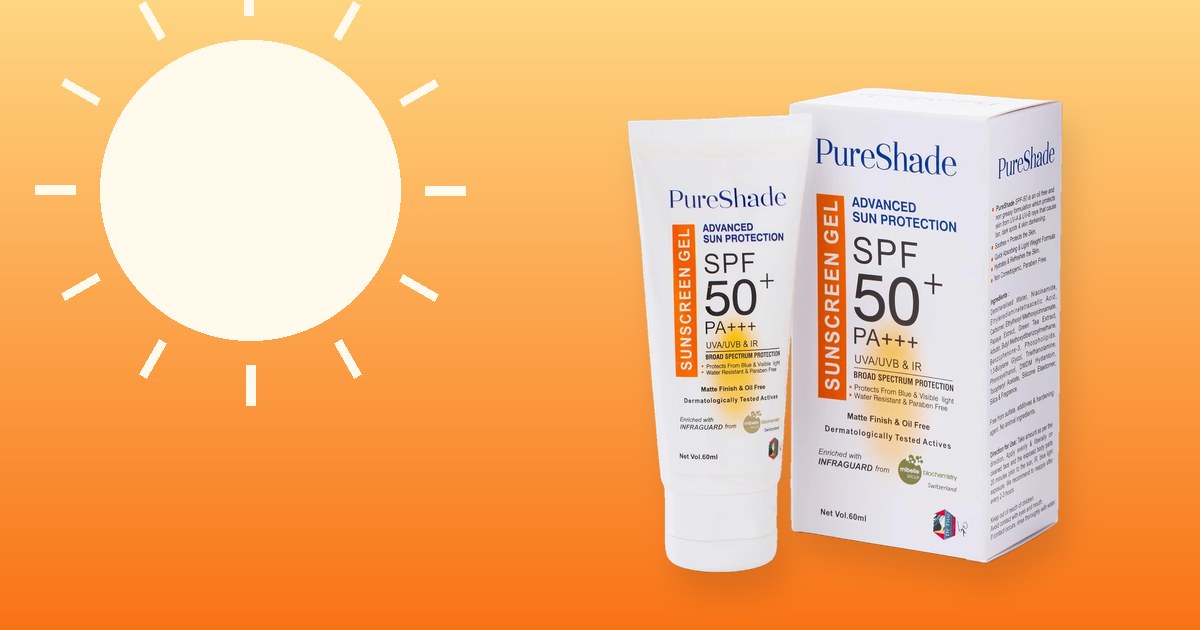
Why Choose Us
Why Chennai Patients Choose Dr. Thaj for Melasma Treatment
- Depth Established Before Anything Else — Wood’s lamp examination tells us whether your pigment is epidermal, dermal, or mixed. Topicals reach the first, lasers are needed for the second, and treating one as though it were the other is how melasma gets worse instead of better.
- Q-Switch Nd:YAG & Picosecond (Pico) Laser Toning — The gold standard for melasma in Indian skin, available at our Chennai clinic with parameters validated for Fitzpatrick types IV–VI.
- Board-Certified Dermatologists — Every melasma case is assessed and supervised by a qualified dermatologist, not a beautician or aesthetician. Medical oversight matters enormously for pigmentation on Indian skin.
- Experience With the Difficult Cases — Hormonal melasma, melasma that returned after treatment elsewhere, and skin already sensitised by fairness creams all behave differently. Nearly three decades of pattern recognition is what tells us which one you have.
- ISO-Certified Protocols — Our treatment frameworks are ISO-certified, providing patients with confidence in the safety and consistency of every session.
- No Fairness-Cream Logic — Unlabelled steroid-based lightening creams are widely sold in Chennai and are among the most common reasons melasma rebounds darker. We taper patients off them properly rather than layering treatment on top.
- Central Chennai Location — Easily reachable for patients from T. Nagar, Nungambakkam, Anna Nagar, Mylapore, and Adyar for the regular sessions melasma management requires.
- A Maintenance Plan Built for the Commute — Protection advice that accounts for humidity, reapplication during the working day, and the drive home — because a routine abandoned by 11am protects nothing.
Pigmentation Treatment at our other clinics
The same dermatologist-led programme, protocols and equipment standards are available at every Dr. Thaj branch across South India.
FAQ
Frequently Asked Questions — Melasma Treatment in Chennai
What causes melasma?
Melasma is caused by overactive melanocytes — the pigment-producing cells — generating excess melanin in response to triggers such as UV radiation, hormonal changes (pregnancy, oral contraceptives, thyroid imbalances), and genetic predisposition. Chennai's year-round intense sun is the most powerful environmental trigger, which is why broad-spectrum sunscreen is fundamental to any melasma treatment plan here.
Can melasma be permanently treated?
Realistically, melasma is controlled rather than cured — and that is not a failure of treatment but the nature of the condition, whose hormonal and light triggers keep running after the pigment clears. With dermatologist-supervised toning, peels, and a structured maintenance protocol, most patients achieve long-lasting, significantly improved skin clarity. However, melasma can recur if triggers — particularly sun exposure and hormonal changes — return. Ongoing SPF use and periodic maintenance sessions are the keys to sustaining results. Our team helps every patient build a realistic, sustainable long-term skin health plan.
How many laser toning sessions are needed for melasma?
Expect gradual change rather than a before-and-after moment: most moderate melasma improves meaningfully across 6–8 low-fluence toning sessions at 2–3 week intervals, supported throughout by topicals and daily protection. Deeper dermal or mixed melasma may require more sessions. Laser toning is combined with a topical depigmenting regimen for the most durable outcome. Your dermatologist will reassess your progress at each visit and adjust treatment frequency and intensity based on your response.
Is melasma treatment available in Chennai at Dr. Thaj?
Yes. Dr. Thaj Laser Skin & Hair Clinic in T. Nagar, Chennai provides comprehensive melasma and pigmentation treatment including Q-switch laser toning, chemical peels, and physician-prescribed topical protocols. Our board-certified dermatologists have 28 years of experience treating pigmentation on every skin tone, serving patients from T. Nagar, Nungambakkam, Mylapore, Anna Nagar, Velachery, and Adyar.
Ready to Start?
Book Your Melasma Treatment Consultation in Chennai
Specialist-led, medically validated melasma and pigmentation treatment at Dr. Thaj Clinic, T. Nagar, Chennai. Open Mon–Sat, 10 AM – 7 PM.
Book Online