
Sun Tan Removal: What Actually Works, and What Backfires
Few skin worries are as common in India as a stubborn tan. A weekend at the beach, a daily commute on a two-wheeler or a few hours of outdoor sport can leave the face, arms and feet a few shades darker than the rest of the body, and the search for a quick fix usually follows.
The short answer: a tan is the skin's own protective response to ultraviolet light, and it fades by itself once the skin is no longer being exposed. What speeds that up is consistent sun protection, gentle exfoliation and the right active ingredients. What slows it down, or leaves marks behind, is harsh scrubbing, lemon juice and unlabelled creams.
Key points
- A tan is extra melanin made to protect the skin from UV damage. It fades as the skin renews, usually over several weeks to a few months.
- Daily broad-spectrum sunscreen does more for tan removal than any de-tan pack, because it stops the tan being topped up.
- Lemon juice, baking soda and harsh scrubs irritate the skin and can leave darker marks, especially on deeper skin tones.
- Patches that do not match the pattern of sun exposure may be melasma, post-acne marks or a dark neck from a medical cause, which need different treatment.
- For tan that lingers, medical-grade peels and gentle laser toning can help, chosen and set for your skin tone.
What a Tan Actually Is
Ultraviolet light reaches the skin in two main forms. UVA penetrates deeper and causes an immediate darkening within minutes to hours, as melanin already in the skin is oxidised and redistributed. UVB, together with UVA, triggers a slower response over the next two to three days, when pigment cells called melanocytes make new melanin and pass it to the surrounding skin cells. That second, delayed tan is the one that lingers.
A tan is therefore a sign that ultraviolet light has already caused enough stress to make the skin defend itself. It offers only modest protection against further damage, which is why the UV index matters even for people who rarely burn. In much of South India the UV index sits in the high to extreme range for a large part of the year, so tanning can build up quickly during ordinary daily life.
Every skin tone tans. People with deeper skin make melanin more readily and may hold a tan for longer, while people with lighter skin are more likely to burn first. Both are reacting to the same exposure.
How Long Does a Tan Last?
The outer layer of skin renews itself roughly every four to six weeks, more slowly as we age. A fresh tan on the face usually fades noticeably within a few weeks once exposure stops. Areas that are exposed every day, such as the backs of the hands, the forearms, the neck and the tops of the feet, often stay darker for much longer simply because they are never given a break.
Not every darker area is a tan, though, and this is where many de-tan efforts go wrong. The table below shows how a tan compares with other common causes of darkening.
| What you see | Likely cause | How long it lasts | What helps |
|---|---|---|---|
| Even darkening with clear lines (watch strap, sandals, sleeves) | Tan | Weeks to a few months | Sun protection, gentle exfoliation, time |
| Redness, soreness, then peeling and darker skin | Sunburn followed by tanning | Weeks | Cooling, moisturising, strict sun protection |
| Brown patches on both cheeks, forehead or upper lip | Melasma | Long term; tends to return | Medical plan, daily sunscreen |
| Flat brown marks where pimples or rashes were | Post-inflammatory hyperpigmentation | Months | Treating the cause, actives, peels |
| Velvety, thickened dark skin on the neck or underarms | Acanthosis nigricans | Until the cause is treated | Medical assessment |
Is It a Tan, or Something Else?
A true tan follows the sun. It stops at the line of a sleeve, a watch strap or a sandal, and it fades when those areas are covered. Patches that ignore those lines deserve a closer look.
- Symmetrical patches on the face that darken in summer or after pregnancy are often melasma. Our guide to melasma, freckles and sun spots explains how to tell them apart.
- A dark, slightly velvety neck can be linked to insulin resistance rather than sun. See dark neck: pigmentation, dirt or acanthosis nigricans.
- Dark underarms are usually caused by shaving, friction or deodorants, not sun. Read more about dark underarms.
- Dark elbows, knees and knuckles often reflect friction and dryness. Our article on dark spots on hands, elbows and body covers these.
What Actually Helps a Tan Fade
1. Stop topping it up
This is the step most de-tan routines skip. Every unprotected day adds new pigment, so the tan never gets the chance to fade. Use a broad-spectrum sunscreen of SPF 30 or more every day, with a high PA rating for UVA protection, and SPF 50 for long periods outdoors. The American Academy of Dermatology recommends checking the label for broad-spectrum protection and reapplying every two hours outdoors, and after swimming or sweating.
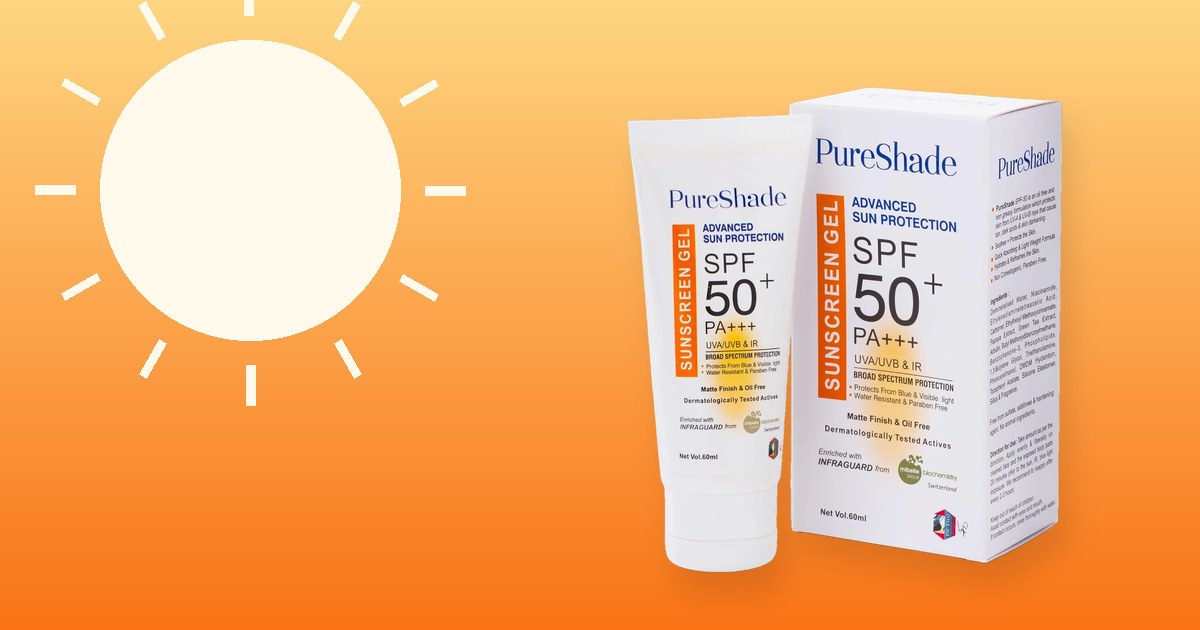
Most people apply too little. For the face and neck, about two finger-lengths of product is a sensible guide. Remember the ears, the back of the neck, the backs of the hands and the tops of the feet. UVA passes through car and home windows, so a long daily drive counts as exposure. Our sunscreen guide covers the rules most people break, and PureShade, our SPF 50+ PA+++ gel, was formulated for exactly this kind of daily, humid-weather use.
Shade, wide-brimmed hats, sunglasses and loose long sleeves add protection that does not wear off. The DermNet guide to sun protection is a good overview.
2. Help the skin renew, gently
Mild exfoliating acids such as glycolic, lactic or mandelic acid loosen the outer layer of cells so that tanned cells are shed sooner. Used two or three times a week, they help a tan fade faster without the damage that scrubbing causes. Ingredients such as niacinamide, vitamin C and licorice extract can reduce the transfer of pigment within the skin and even out tone over time. The AAD's advice on fading dark spots stresses patience: most products need weeks to show a change.
At night, a retinol product can speed up cell turnover, as long as it is introduced slowly and paired with daily sunscreen.
3. Look after the skin barrier
Irritated skin makes more pigment, so a calm skin barrier fades a tan faster than a stressed one. A gentle cleanser, a simple moisturiser and the avoidance of hot water and rough towels all help, especially after a day in the sun.
Home Remedies: What to Skip
Kitchen remedies are popular because they are cheap and familiar, but several of them can make pigmentation worse.
- Lemon juice is strongly acidic and can irritate the skin. Some citrus compounds also react with sunlight and can cause blistering and dark streaks, which is the opposite of what you want.
- Baking soda and toothpaste disrupt the skin's natural acidity and barrier, leading to dryness, redness and, in deeper skin tones, fresh pigmentation.
- Harsh scrubs, walnut-shell powders and loofahs create tiny injuries. On skin that pigments easily, friction is a common cause of new dark patches.
- Unlabelled "fairness" or de-tan creams bought without a clear ingredient list can contain steroids or other harmful ingredients that thin the skin and cause acne, visible veins and rebound darkening.
Soothing options such as chilled aloe vera gel, plain curd or a cool compress can calm skin after sun exposure. They will not remove a tan, but they do no harm and can ease discomfort.
In-Clinic Options for a Stubborn Tan
Most tans need nothing more than protection and time. When darkening has built up over years, or when it sits alongside marks and uneven tone, in-clinic treatment can speed things along.
| Option | Suits | Typical course | Downtime |
|---|---|---|---|
| Medical-grade chemical peels | Long-standing tan, dullness, mild marks | 4 to 6 peels, 2 to 4 weeks apart | None to a few days of light flaking |
| Laser toning (Q-switched Nd:YAG, 1064 nm) | Tan mixed with uneven tone or pigmentation | Several sessions, 2 to 4 weeks apart | Mild redness for a few hours |
| Vitamin C facial or Hydrafacial | Dull, sun-stressed skin before an event | Monthly, or a short series | None |
Peels and lasers should always be chosen and set for your skin type. Deeper skin tones respond well to the right peel or a 1064 nm laser, but aggressive settings can cause rebound darkening. Our comparison of chemical peels and laser toning explains the differences in more detail, and at Thaj Aesthetics in T. Nagar the same options are offered as chemical peels and laser toning.
Tan on the Hands, Feet and Neck
Hands: the backs of the hands receive sun all day, especially while driving or riding. Apply sunscreen to them every morning and again after washing your hands. Gloves help on long rides.
Feet: sandal lines are a classic tan. Sunscreen on the tops of the feet, reapplied after walking through water, makes a visible difference within weeks. Closed shoes for long outdoor days help too.
Neck: the neck is often forgotten when applying sunscreen, so it tans more than the face. If the darkening feels thick or velvety, or appears with skin tags, get it checked, as it may not be a tan at all.
Does Skin Tone Change the Approach?
The principles are the same for everyone, but the details differ. People with lighter skin burn more easily and carry a higher risk of sun damage and skin cancer over time, so preventing burns matters most. People with deeper skin tan more readily and are more prone to dark marks after any irritation, so gentle products and careful treatment settings matter most. The DermNet overview of pigmentation disorders describes how differently pigment can behave from one person to the next.
A tan is never a goal in itself. The aim of tan removal is an even, healthy tone, not changing the skin colour you were born with.
When to See a Doctor
Book a consultation if the darkening has not improved after two to three months of daily sun protection, if it is patchy rather than even, if it itches or feels rough, or if it appears alongside other changes in your health. Any mole or spot that is changing in size, shape or colour should always be examined promptly.
At our clinics, a doctor examines the skin, explains what is causing the darkening, and suggests a plan that suits your skin and your routine. You can also read what to expect at your first dermatology consultation.
This article is for general education and does not replace an in-person examination.
Frequently Asked Questions
How long does it take to remove a sun tan?
A fresh tan on the face usually fades within a few weeks once you protect the skin every day. Long-standing tan on the hands, neck or feet can take a few months. Gentle exfoliating acids and, if needed, peels or laser toning can speed this up.
Can a tan be removed in one day?
No. A tan sits within skin cells that are shed gradually, so it fades over weeks. A facial or peel can make skin look brighter straight away, but products that promise overnight tan removal often rely on harsh bleaching agents that can damage the skin.
Does lemon juice remove a tan?
It is not recommended. Lemon juice is strongly acidic, can irritate the skin and can react with sunlight to cause blisters and dark streaks. Gentle exfoliating acids made for skin are a safer choice.
Is a chemical peel or laser toning better for tan?
For a long-standing tan with dullness, a series of medical-grade peels is often enough. If the tan is mixed with uneven tone or pigmentation, laser toning may be added. The doctor chooses based on your skin type and what else is present.
Does sunscreen remove a tan?
Sunscreen does not remove an existing tan, but it stops new tan forming, which allows the skin to fade naturally. Without daily sunscreen, any de-tan treatment is quickly undone.
Why do my hands and feet stay tanned longer than my face?
They are exposed every day, often without sunscreen, so the tan keeps being topped up. Applying sunscreen to the backs of the hands and tops of the feet, and reapplying after washing, usually makes a visible difference within weeks.
Tan that will not fade? Get it checked
A doctor can tell whether the darkening is a tan, melasma or something else, and recommend what will actually help it fade. Appointments are available at all six Dr. Thaj clinics.
Book Appointment