
Exosomes for Skin and Hair: What the Evidence Actually Says
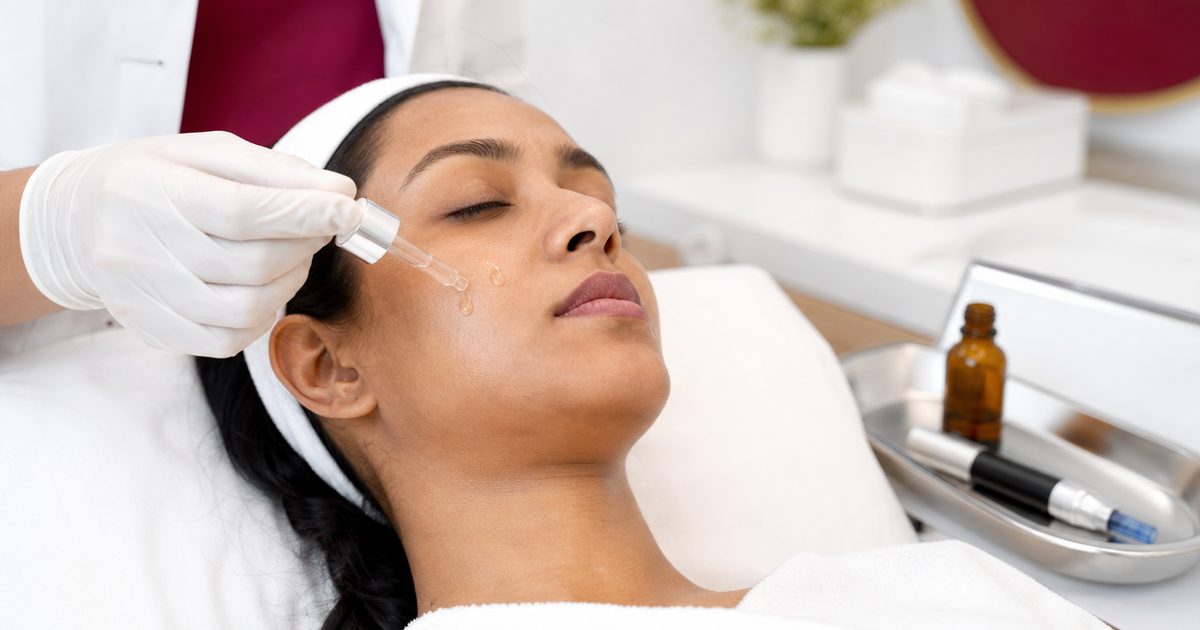
Exosomes have moved quickly from research laboratories into aesthetic clinics and social media feeds, where they are often described as the next big thing for glowing skin and thicker hair. Some of that interest is justified. Some of it runs well ahead of the evidence.
The short answer: exosome products are tiny packages of cell-signalling molecules that are applied to the skin or scalp, usually straight after microneedling or a laser. Early studies are encouraging, especially for recovery after procedures, but most are small and short, products are not standardised, and they should be used as part of a wider plan rather than as a stand-alone cure.
Key points
- Exosomes are microscopic vesicles that cells use to send signals to one another. In aesthetics they are applied topically, not injected.
- Early research suggests benefits for skin recovery, texture and some types of hair loss, but studies are small and mostly short-term.
- No exosome product has been approved by the US FDA, which has issued safety notices about unapproved products.
- PRP has a larger body of evidence for skin and hair, and the two are sometimes combined.
- Ask what product is used, where it comes from and how it is applied before agreeing to treatment.
What Exosomes Are
Exosomes are a type of extracellular vesicle: tiny, bubble-like particles, far smaller than a cell, that are released by cells and carry proteins, lipids and genetic messages to other cells. They are part of the body's normal communication network and play a role in processes such as wound healing and inflammation.
The exosome products used in aesthetic clinics are made in laboratories. Depending on the product, they may be derived from human stem cells grown in culture, or from plant sources, in which case they are more accurately called exosome-like vesicles. They are usually supplied as a freeze-dried powder that is mixed with a liquid just before use.
How They Are Used in Aesthetics
In skin and hair treatments, exosome products are applied to the surface, most often immediately after a procedure that creates tiny channels in the skin, such as microneedling, RF microneedling or a fractional laser. Those channels help the product reach the deeper layers while the skin is in repair mode. On the scalp, the same approach is used after scalp microneedling.
They are not meant to be injected. The US FDA has stated that there are no FDA-approved exosome products and has reported serious adverse events in patients who received unapproved exosome injections. It has also issued a broader consumer alert on regenerative medicine products. Our article on glutathione explains the regulator's position in India on injecting cosmetic products.
What to Expect at a Treatment Session
A typical session starts with a skin or scalp assessment and photographs, so progress can be compared later. A numbing cream is applied for 30 to 45 minutes, then the area is treated with microneedling, RF microneedling or a fractional laser, depending on the concern. The exosome product is mixed fresh and spread over the treated skin straight away, while the tiny channels are still open, and the skin is then soothed.
Most people look flushed, as if mildly sunburnt, for one to three days. Makeup is usually avoided for a day, and gentle cleansing, a simple moisturiser and strict sun protection are advised for the first week. Courses are commonly spaced about four weeks apart, so the skin has time to repair between sessions.
What the Research Shows for Skin
A 2026 scoping review in the Journal of Drugs in Dermatology identified seventeen clinical studies published between 2020 and 2025. It found promising results for skin rejuvenation and some inflammatory skin conditions, but flagged small sample sizes, short follow-up, studies without proper control groups and potential conflicts of interest.
The areas with the most encouraging early data are:
- Recovery after resurfacing: less redness and quicker healing when exosomes are applied after fractional laser treatment.
- Acne scars: modest added improvement when combined with fractional laser or microneedling, compared with the procedure alone.
- Texture and signs of ageing: some improvement in hydration, fine lines and skin quality over a course of treatments.
What the research cannot yet tell us is how long results last, which products work well, what the right dose and number of sessions are, and how outcomes compare across different skin tones.
What the Research Shows for Hair
For hair, early studies have looked mainly at pattern hair loss, applying exosomes to the scalp after microneedling. Some report increases in hair density and thickness over several months. The studies are small, and exosomes are not a replacement for treatments with stronger evidence.
Hair loss has many causes, from genetics and hormones to illness, stress and nutrition, so the first step is always a proper diagnosis. Our guides on the causes of hair loss, male pattern baldness and hair fall in women explain how treatment is matched to the cause.
Exosomes, PRP and Growth Factor Serums Compared
| Exosome products | PRP | Growth factor serums | |
|---|---|---|---|
| Source | Laboratory-made, from cultured cells or plants | Your own blood, concentrated | Laboratory-made |
| How it is used | Applied after microneedling or laser | Applied after microneedling or injected in fine amounts | Applied to the skin, often after microneedling |
| Strength of evidence | Early; small studies | Larger body of research for scars, skin and hair | Limited and variable |
| Main uses | Post-procedure recovery, texture, some hair loss | Acne scars, skin quality, hair thinning | Skin quality |
PRP and growth factor concentrates have been studied for longer, which is why they remain a mainstay for hair thinning. Our comparison of hair transplant and PRP/GFC and our guide to plasma therapy cover these in detail.
Safety: Questions to Ask Before You Book
- What product is being used, and where does it come from? A reputable clinic will tell you the source and show you the packaging.
- Is it applied to the skin, or injected? Exosome products should be used topically. Walk away from offers to inject them.
- Who performs the procedure? Microneedling and lasers should be carried out in sterile conditions under medical supervision.
- What results are realistic for my skin? Be wary of before-and-after photos that promise dramatic change from a single session.
The most common side effects are temporary redness and irritation, mostly from the microneedling or laser itself. As with any procedure that breaks the skin, poor hygiene carries a risk of infection.
Who Might Benefit, and Who Should Skip It
Exosome products may be worth considering as an add-on if you are already having microneedling or laser treatment for acne scars, texture or early ageing, or as part of a hair plan alongside established treatments. They should be avoided during pregnancy, with active infection, acne flares or cold sores in the area, and by anyone with a history of cancer unless their doctor agrees, because the long-term effects of growth signals are not yet fully understood.
Our View
Exosomes are an interesting and fast-developing area, and the early results are genuinely promising. We see them as a supportive add-on rather than a stand-alone treatment, and we explain the evidence honestly before anyone decides. At Thaj Aesthetics in T. Nagar, exosome products are used topically as part of PRP and exosome skin treatment, usually combined with microneedling or laser resurfacing.
This article is for general education and does not replace advice from a doctor who has examined your skin or scalp.
Frequently Asked Questions
Are exosomes better than PRP?
Not necessarily. PRP has a larger body of research for acne scars, skin quality and hair thinning. Exosome products are newer and the evidence is still early. Some plans use both, and the right choice depends on your concern and preferences.
Are exosome treatments FDA approved?
No exosome product has been approved by the US FDA, which has issued safety notices about unapproved exosome products, particularly injections. In aesthetic clinics, exosome products are cosmetic preparations applied to the skin's surface.
Can exosomes regrow hair?
Early studies suggest exosomes applied to the scalp after microneedling may improve hair density in some types of hair loss, but the studies are small. They are not a replacement for treatments with stronger evidence, and the cause of hair loss needs to be diagnosed first.
How many exosome sessions are needed?
There is no agreed standard. Clinics commonly suggest a course of three sessions about four weeks apart, combined with microneedling or laser treatment, followed by maintenance. Your doctor will advise based on your concern.
Is an exosome facial painful?
The exosome product itself is simply applied to the skin and does not hurt. Any discomfort comes from the microneedling or laser it is combined with, which is usually done after a numbing cream has been applied.
Are exosome treatments suitable for darker skin?
They can be used across skin tones, and because they are often combined with microneedling rather than heat-based lasers, the risk of pigment change is relatively low. Gentle aftercare and sun protection remain important.
Considering exosomes or PRP?
A doctor can explain which regenerative treatment suits your skin or hair, what results are realistic and how it fits into a wider plan. Book a consultation at any of our clinics or at Thaj Aesthetics in T. Nagar.
Book Appointment