
Thaj Aesthetics · Skin rejuvenation
PRP & Exosome Skin Treatment in T. Nagar, Chennai
Regenerative treatments that support the skin's own renewal.
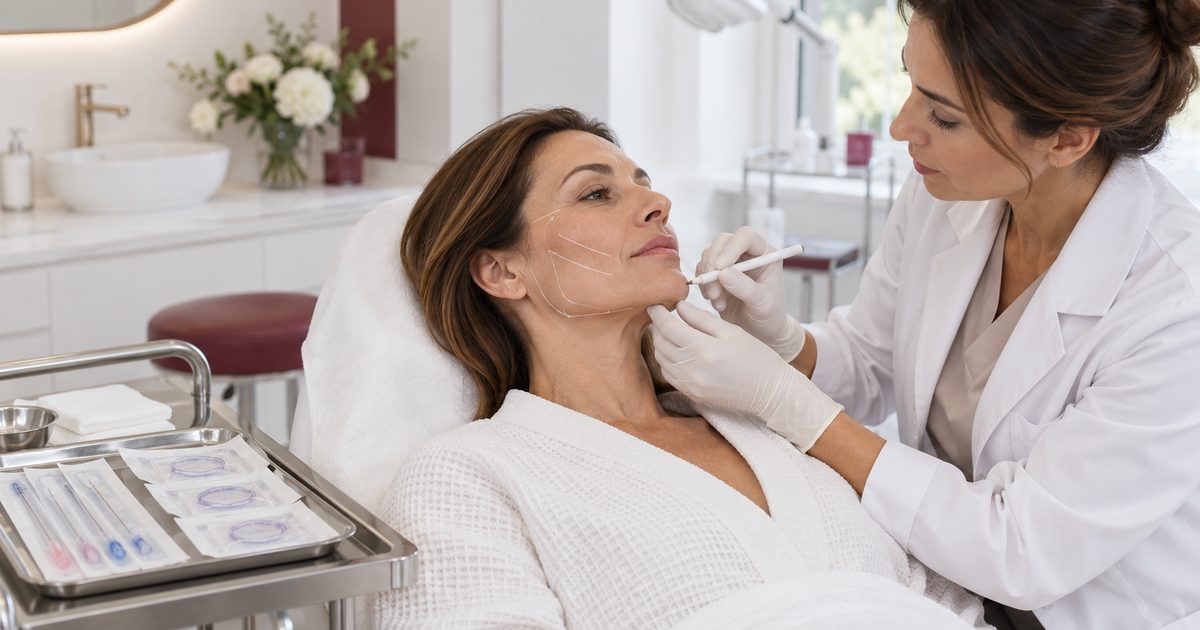
Platelet-rich plasma (PRP) is made from a little of your own blood, and exosome products are applied to the skin to support repair. At Thaj Aesthetics they are usually combined with microneedling to improve texture, tone and the look of scars.
Bharathy Nagar, T. Nagar, Chennai
- Session time
- 60–90 minutes
- Typical course
- 3 sessions, about 4 weeks apart
- Downtime
- Redness for 1–3 days
- Results
- Gradual, over 2–3 months
The treatment
PRP and exosomes explained
PRP is made by drawing a small amount of your blood and spinning it in a centrifuge to concentrate the platelets. Platelets carry growth factors that play a part in wound healing and tissue repair. The concentrated plasma is then applied to the skin during microneedling or injected in fine amounts, with the aim of encouraging collagen production and healthier-looking skin.
Exosomes are tiny vesicles released by cells that carry proteins and other signalling molecules from one cell to another. The exosome products used in skin treatments are cosmetic preparations applied to the surface, usually straight after microneedling, when the tiny channels in the skin help them penetrate. They are not injected.
Both belong to a fast-moving field. PRP has a reasonable body of research for acne scars and skin rejuvenation, particularly when combined with microneedling. The evidence for exosome products is still early, with promising small studies but few large independent trials, so their effect should be seen as supportive rather than dramatic.
Concerns
Concerns PRP and exosomes may help
These treatments aim to improve the overall quality of the skin. They are most often considered for:
- Acne scarsCombined with microneedling or fractional CO2 laser, PRP can add to scar improvement and support recovery.
- Dull, tired skinA gradual improvement in radiance and smoothness over a course.
- Fine lines and early ageingA mild improvement in texture and firmness as collagen builds.
- Enlarged pores and uneven textureMicroneedling with PRP or exosomes can refine the surface of the skin.
- Under-eye crepinessFine PRP injections are sometimes used for thin, crepey under-eye skin; suitability is assessed individually.
- Recovery after proceduresExosome products are sometimes applied after resurfacing to calm the skin, although the evidence is still developing.
Step by step
A typical PRP and exosome session
- AssessmentThe doctor checks your skin, medical history and medicines, and agrees whether PRP, exosomes or a combination suits your goal.
- Blood draw and preparationFor PRP, a small sample of blood is taken from your arm and processed in a centrifuge for several minutes to separate the platelet-rich plasma.
- Numbing and microneedlingA numbing cream is applied, then a microneedling device creates tiny, controlled channels in the skin.
- ApplicationPRP is spread over the skin and may be injected in fine amounts into specific areas. Exosome products are applied to the surface of the treated skin.
- CalmingThe skin is soothed and you receive aftercare advice. Expect it to look flushed, much like mild sunburn.
Suitability
Is it suitable for you?
PRP and exosome treatments suit people who prefer a gradual, natural-looking improvement in skin quality and are happy to commit to a course. Because PRP uses your own blood, it is not a good choice for people with certain blood or platelet disorders, and both treatments rely on healthy skin to respond.
Wait, or check with the doctor first, if you have
- Pregnancy or breastfeeding
- Active acne, infection or cold sores in the area
- Blood or platelet disorders, or blood-thinning medicines; discuss these with the doctor
- Current cancer treatment or a serious illness
- Recent oral acne medication
- Allergy to any component of the topical products used
Every skin tone
PRP and microneedling suit all skin tones and carry a relatively low risk of pigment change because they do not rely on heat or light. As with any procedure that causes inflammation, gentle aftercare and sun protection help prevent temporary darkening in deeper skin tones.
Aftercare
Aftercare and results
- Redness and a warm, tight feeling are normal for one to three days; mild swelling may show around the eyes.
- If PRP was applied to the surface, leave it on for the time advised before washing.
- Cleanse gently with lukewarm water and use only the products recommended for the first 48 hours.
- Avoid makeup for 24 hours, and exercise, saunas and swimming for 48 hours.
- Wear sunscreen daily and avoid direct sun for a week.
- Small bruises at injection points can last a few days.
What to expect
PRP and exosome treatments work gradually. Skin often looks fresher within a couple of weeks, but changes in texture and scarring appear over two to three months as collagen builds. A course of three sessions is common, with maintenance every six to twelve months. Results vary considerably between individuals.
Good to know
Keeping expectations realistic
These are supportive treatments rather than dramatic ones. For deep acne scars they work better combined with resurfacing or other scar procedures, and they will not substitute for treatments designed for volume loss or sagging.
PRP is also widely used for hair thinning, which is a separate treatment with its own protocol; our plasma therapy guide covers both uses. If you are choosing between hydration-focused options, skin boosters are worth comparing.
Treatment suitability is assessed during consultation.
Questions
PRP & Exosomes: your questions
What is the difference between PRP and exosomes?
PRP is prepared from your own blood and contains concentrated platelets and growth factors. Exosomes are tiny vesicles that carry signals between cells; exosome products for the skin are made in a laboratory and applied to the surface. Both aim to support skin repair, and they can be used in the same session.
How many PRP sessions are needed for the face?
Most people have three sessions about four weeks apart, then a maintenance session every six to twelve months. People with acne scars may need more, often combined with other scar treatments.
Is PRP microneedling painful?
A numbing cream is applied beforehand, so most people feel pressure and mild prickling rather than pain. The blood draw feels like a routine blood test. The skin can feel sensitive, like mild sunburn, for a day or two.
Are exosome facials safe?
Exosome products used on the skin are generally well tolerated, with redness and irritation the main reported effects. Research is still early and products vary in quality, so the doctor will explain the evidence and the product used before you decide.
When will I see results from PRP and exosomes?
Skin often looks brighter within a week or two. Improvements in texture, fine lines and scars build over two to three months after a course, as new collagen forms.
Can PRP be combined with laser treatments?
Yes. PRP is often applied after fractional laser or microneedling to support healing and add to the results for scars and texture. Sessions are planned so that each treatment complements the other without over-treating the skin.
Explore
Related treatments and guides
Thaj Aesthetics · PRP & Exosomes
Book your consultation
Call to book your consultation, or send an enquiry.
+91 96000 23789Visit us in Chennai
1st Street, 5/3Bharathy Nagar, T. Nagar
Chennai, Tamil Nadu 600017
Enquiries
Send an enquiry
Leave your name and number. The Thaj Aesthetics team will call you back.