
Thaj Aesthetics · Laser & light-based treatments
Pico Laser in T. Nagar, Chennai
Picosecond pulses for pigment, ink and finer skin texture.
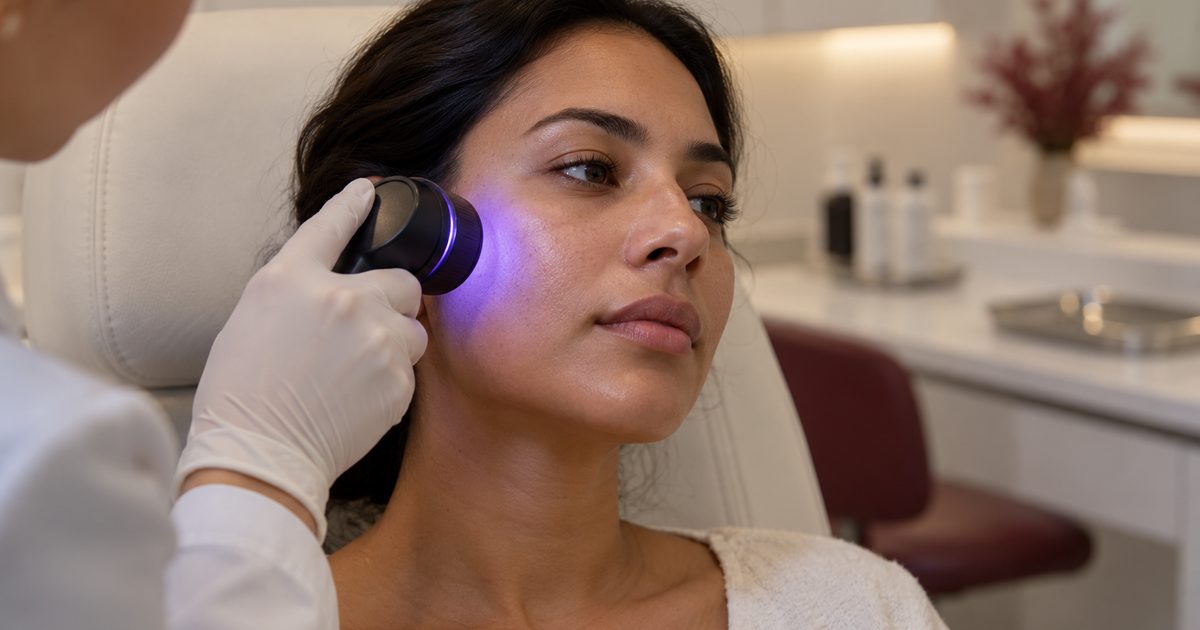
A pico laser releases energy in trillionths of a second, breaking pigment and tattoo ink into very fine particles with less heat than older lasers. At Thaj Aesthetics it is used for stubborn pigmentation, tattoos and, with a special lens, for skin texture.
Bharathy Nagar, T. Nagar, Chennai
- Session time
- 20–45 minutes
- Typical course
- 3–6 sessions for pigment
- Downtime
- Redness for a few hours to a day
- Results
- Build over 4–12 weeks
The treatment
How a pico laser works
Pico lasers take their name from the picosecond, one trillionth of a second. Pulses this short create a mechanical shock wave inside the pigment particle rather than slowly heating it, so ink and melanin shatter into dust-like fragments that the body's immune cells clear more easily. Because less heat reaches the surrounding skin, the risk of heat-related side effects is generally lower than with longer-pulsed lasers.
Most pico systems work at 1064 nm, which reaches deeper pigment and is the safer choice for deeper skin tones, and at 532 nm for more superficial brown spots and some red inks. Some devices add further wavelengths for blue and green tattoo inks.
Many pico lasers can also be fitted with a fractional or focusing lens. Instead of targeting pigment, this splits the beam into tiny points of energy that create micro-zones of change inside the skin, prompting collagen remodelling with very little surface injury. This is how a pico laser can help mild acne scars, enlarged pores and fine texture.
Concerns
What a pico laser can treat
Pico lasers are versatile, but they are not right for every concern. They are most often used for:
- Stubborn pigmentationSun spots, freckles and dark patches that have not responded well to creams or to earlier laser treatment.
- Tattoo removalBlack and dark blue ink, plus some colours depending on the wavelengths available. Pico lasers often need fewer sessions than nanosecond lasers for the same tattoo.
- Post-acne marksBrown marks left after breakouts, alongside sun protection and suitable skincare.
- Mild acne scars and textureShallow rolling scars, rough texture and enlarged pores, using the fractional lens over a course of treatments.
- Melasma, in selected casesVery low-energy sessions are sometimes part of a wider melasma plan, with careful monitoring because melasma can flare. Our guide on why pigmentation keeps coming back explains why.
- Dull, uneven toneLow-energy, full-face passes to brighten and even out the complexion.
Step by step
What happens during treatment
- AssessmentThe doctor identifies the type and depth of the pigment or scarring, checks your medicines and sun exposure, and decides on wavelength, lens and energy.
- PreparationThe skin is cleansed and photographed for comparison. A numbing cream is applied for tattoos, scars or sensitive areas, and your eyes are protected.
- Laser passesThe handpiece is moved across the area in a set pattern. It feels like quick, light snaps with warmth; fractional treatments feel more prickly.
- CoolingThe skin is cooled and soothed, then sunscreen is applied.
- Follow-up planYou leave with aftercare instructions and your next date, usually three to six weeks later for pigment and texture, and six to eight weeks or more for tattoos.
Suitability
Who is it suitable for?
A pico laser suits people with pigment, tattoos or mild textural concerns who want a treatment with relatively short downtime. Deep, pitted acne scars usually need more resurfacing than a pico laser can provide, so fractional CO2 laser or microneedling may be discussed instead.
Wait, or check with the doctor first, if you have
- Pregnancy
- A recent tan, sunburn or a beach holiday planned within the next few weeks
- Active acne, eczema, infection or cold sores in the area
- Recent oral acne medication or photosensitising medicines
- A tendency to keloid scars
- Gold-based medicines, now or in the past
- Moles or marks that are changing or have not been examined
Every skin tone
Pico lasers are used across all skin tones. For deeper skin, the doctor favours the 1064 nm wavelength, lower energy and wider spacing between sessions, and may test a small patch first, to keep the risk of post-inflammatory hyperpigmentation low.
Aftercare
Aftercare and results
- Redness and mild swelling usually settle within a few hours to a day. Fractional treatments may leave a fine, sandpaper feel for a few days.
- Treated spots can darken and form tiny crusts that shed over about a week. Do not scratch or pick them.
- Wear SPF 30 or higher every day and reapply when outdoors.
- Use a gentle cleanser and moisturiser, and pause exfoliating acids, retinoid creams and scrubs for five to seven days, or as advised.
- Avoid heat, steam rooms and heavy workouts for 24 hours.
- Tattoo sites may blister. Keep them clean and follow the dressing advice you are given.
What to expect
Pigment fades progressively over the four to eight weeks after each session. Texture and scar improvement is slower because new collagen takes around three months to form, so results are judged a few months after the final session. Tattoos fade in stages and may not disappear completely, particularly lighter or mixed colours.
Good to know
Pico laser compared with Q-switched laser
Both lasers target pigment and ink, and both are offered at Thaj Aesthetics. The pico laser's shorter pulse fragments particles more finely, which can mean fewer sessions for tattoos and for some stubborn pigment, and it adds the fractional option for texture. The Q-switched Nd:YAG laser remains effective for many sun spots and for laser toning.
A pico laser is not a cure for melasma or hormonal pigmentation, and it does not change your natural skin colour. The doctor will recommend the laser, or non-laser option, that gives the right balance of results, sessions and downtime for you.
Treatment suitability is assessed during consultation.
Questions
Pico Laser: your questions
How many pico laser sessions do I need?
For individual sun spots and freckles, one to three sessions are often enough. Wider pigmentation and post-acne marks usually take three to six sessions, three to six weeks apart. Texture and mild scars need a course of four or more. Tattoos vary the most, depending on ink colour, depth and age.
Is pico laser better than Q-switched laser?
Not for everything, but it is different. Pico pulses are around a thousand times shorter, so ink and pigment break into finer particles, which can reduce the number of sessions for tattoos and resistant pigment. For straightforward sun spots or laser toning, a Q-switched laser can give similar results.
Does pico laser hurt?
Most people describe a quick snapping feeling with warmth that passes quickly. Facial pigment treatments are usually comfortable with cooling alone. A numbing cream is applied before tattoo removal and fractional treatments, which feel more intense.
Can pico laser treat acne scars?
With a fractional lens, a pico laser can soften shallow scars, rough texture and enlarged pores by stimulating collagen with little downtime. Deep icepick or boxcar scars usually need stronger resurfacing, such as fractional CO2 laser, sometimes combined with other procedures.
Is pico laser safe for dark skin?
Yes, with suitable settings and experience. The 1064 nm wavelength and the low heat of picosecond pulses make it an option for deeper skin tones. Test patches, lower energy and careful sun protection help prevent temporary darkening.
What is the downtime after pico laser?
Most people return to work the same day. Expect redness for a few hours, sometimes up to a day, and small dark crusts over treated spots that shed within a week. After tattoo sessions there can be swelling and blistering for several days.
Explore
Related treatments and guides
Thaj Aesthetics · Pico Laser
Book your consultation
Call to book your consultation, or send an enquiry.
+91 96000 23789Visit us in Chennai
1st Street, 5/3Bharathy Nagar, T. Nagar
Chennai, Tamil Nadu 600017
Enquiries
Send an enquiry
Leave your name and number. The Thaj Aesthetics team will call you back.